May 2026
Editor's Note:
DEI – MIA Missing In Action
Honestly, this moment feels different.
Not because the need for DEI has gone away.
But because the energy around it has.
The headlines have shifted. The language has softened. In some rooms, the conversation has stopped altogether. And in others, it’s still happening, just a little quieter, a little more… calculated.
DEI hasn’t disappeared. It’s been pushed underground.
And when that happens, we need to pay very close attention to who feels it first.
Because this isn’t a neutral reset.
Over the past few years, we saw momentum. Real movement. More women stepping into leadership. More intentional focus on race, equity, access. Organisations putting money, structure and voice behind change.
Was it perfect? Not even close.
But it was progress.
And here’s the part that doesn’t get enough airtime: much of that progress was still fragile. It lived in the pipeline. In early careers. In mid-level leadership. In sponsorship programmes. In targeted opportunities designed to open doors that had been closed for decades.
Now look at what’s being rolled back, renamed, or quietly deprioritised.
Those exact levers.
So let’s not kid ourselves. When you remove targeted support from a system that isn’t level, outcomes don’t hold steady - they slide backwards.
And they don’t slide evenly.
Black professionals, particularly Black women, are feeling the shift. The programmes that were beginning to create access are the ones under the most scrutiny. The funding that was promised is being diluted. The conversations about race, the ones that made people uncomfortable but moved things forward, are being avoided altogether.
And in that silence, something dangerous happens.
People become less visible.
Barriers become easier to ignore.
Progress becomes easier to reverse.
Meanwhile, organisations are still talking about performance. About growth. About resilience in uncertain times.
Good. They should be.
But let’s not pretend those outcomes are disconnected from who is in the room, whose voices are heard, and whose potential is being fully utilised.
The data hasn’t changed. Diverse leadership is still linked to stronger performance, better decision-making, broader perspective.
What has changed is the appetite to say it out loud - and the courage to act on it.
So now we’re in a different kind of moment. A quieter one. A more revealing one.
Because when something is no longer fashionable, no longer publicly rewarded, no longer politically safe, you find out who actually believed in it.
Some organisations are stepping back.
Some are dressing it up in safer language.
And some are still doing the work without the applause.
The question is simple.
Which one are you?
Because DEI, at its core, was never about optics. It was about fairness. Access. Building organisations that actually reflect the world we operate in - and perform better because of it.
That hasn’t changed.
What’s changed is the level of conviction required to keep going.
That’s where the real leadership lives.
Lynn x
This month’s highlights

Ask Lynn
Any questions you have, career-led, life choices or situations you need help navigating - I will answer. This month I talk through questions such as:
I’ve been leading DE&I at my company for a few years, but my boss has just told me I need to refocus on different projects. This feels like a step backwards. What can I do to keep doing it? I don’t want to seem difficult.
I’ve noticed some colleagues rolling their eyes whenever DEI is mentioned now. It feels like there’s a backlash. How do you respond to that without creating conflict?
We still celebrate things like International Women’s Day, but it feels very surface-level. Is symbolic recognition better than nothing, or does it actually do more harm than good?
Our HR team says DEI is now “embedded in everything we do,” but that seems to mean no one is actually accountable anymore since there are no real programmes. How do you spot the difference between progress and passive abandonment?
Episode XI: She Means & Josie Dobrin, OBE
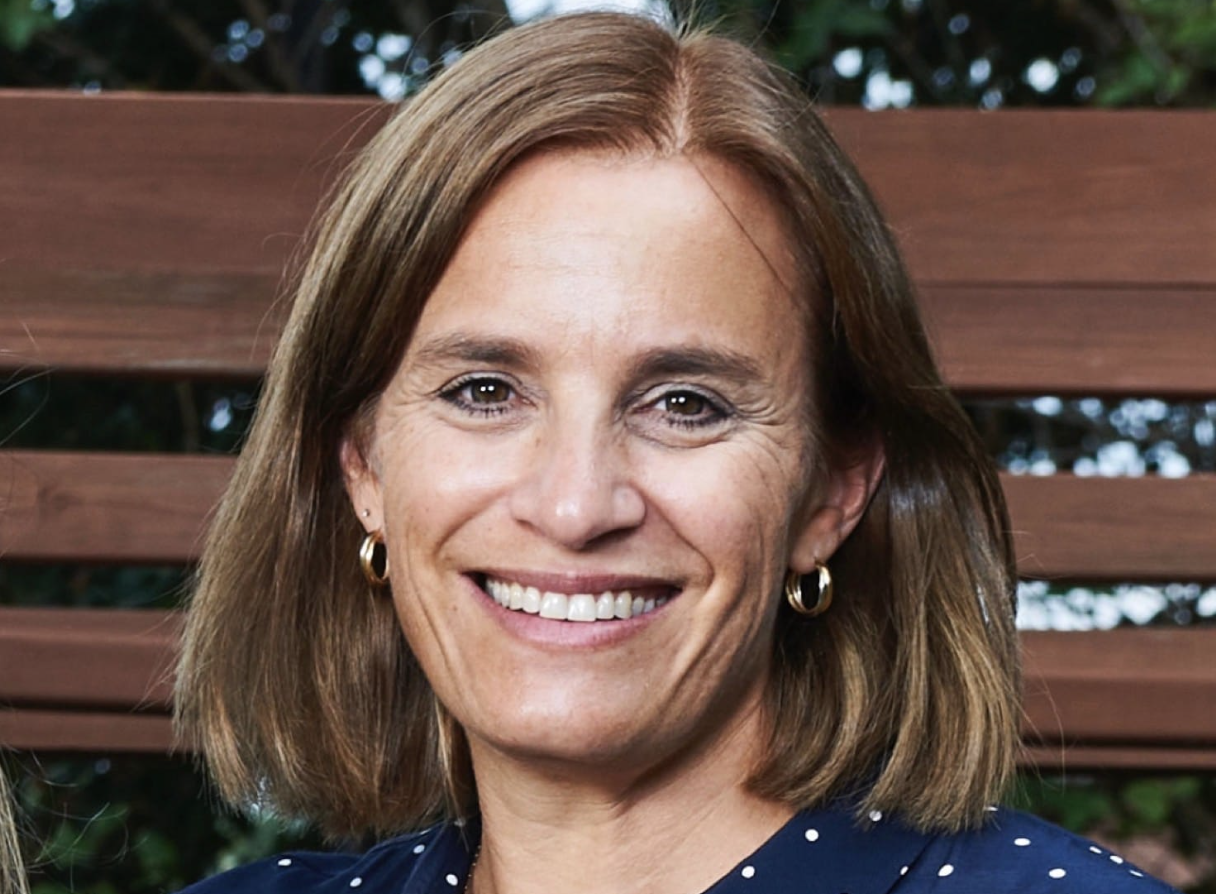
I first met Josie Dobrin OBE about a decade ago, when she was in the early stages of building Creative Access - a charity she co-founded to tackle the stark lack of representation across the creative industries.
Under Josie’s leadership, Creative Access has grown into one of the UK’s leading social enterprises driving diversity, equity and inclusion - not just through access, but through influence. What began as a pipeline intervention has become a force shaping how organisations think about talent, culture, and who truly gets to belong.
And now, as Josie steps away from the organisation she helped build, the legacy she leaves behind is undeniable. Not just in the thousands of careers it has helped launch, but in the shift it has driven across industries that once resisted change.
In a moment where DEI is being questioned, softened, and in some cases quietly sidelined, Josie brings clarity, conviction, and a perspective grounded in years of doing the work - not just talking about it.
This is a conversation about leadership, power, and what it really takes to build organisations that are fair, representative, and fit for the future.